তুমি এ-পার ও-পার কর কে গো
Tumi e par o par karo
Puja
তুমি   এ-পার ও-পার  কর কে গো ওগো  খেয়ার নেয়ে?

       আমি   ঘরের  দ্বারে বসে  বসে দেখি যে  সব চেয়ে॥

             ভাঙিলে  হাট দলে দলে   সবাই  যাবে ঘরে চলে

             আমি  তখন মনে ভাবি, আমিও  যাই ধেয়ে॥

       দেখি   সন্ধ্যাবেলা  ও পার-পানে  তরণী যাও  বেয়ে।

       দেখে   মন যে আমার কেমন করে,   ওঠে যে  গান গেয়ে

                   ওগো  খেয়ার নেয়ে॥

             কালো  জলের কলকলে   আঁখি  আমার ছলছলে,

             ও পার  হতে সোনার আভা  পরান ফেলে  ছেয়ে।

       দেখি   তোমার  মুখে কথাটি  নাই ওগো খেয়ার  নেয়ে–

       কী যে  তোমার  চোখে লেখা আছে  দেখি যে সব চেয়ে

                   ওগো  খেয়ার নেয়ে।

             আমার  মুখে  ক্ষণতরে   যদি  তোমার আঁখি পড়ে

             আমি  তখন মনে ভাবি  আমিও  যাই ধেয়ে

                   ওগো  খেয়ার নেয়ে॥
Transliteration
Tumi e paar o paar karo ke go ogo kheyar neye?
Aami gharer dwaare bose bose dekhi je sab cheye.
Bhaangile haat dole dole  sabai jaabe chole
Aami thakhon mone bhaabi aamio jaai dheye.
Dekhi sondhabelay o paar-paane taroni jaao beye.
Dekhe mon je aamar kemon kore, othe je gaan geye
Ogo kheyar neye.
Kalo jaler kalokalo    aankhi amaar chalochale,
O paar hote sonar aabha paran phele chheye.
Dekhi tomar mukhe kathati naai ogo kheyar neye -
Ki je tomar chokhe lekha aachhe dekhi je sab cheye.
Aamar mukhe khanotare jodi tomar aankhi pare
Aami takhon mone bhaabi aamio jaai dheye
Ogo kheyar neye.
My note
Personal notes aren't included in your plan.Become a member →
That needs a higher plan — upgrade for more monthly plays and exports, sing-along editions, and full scale, instrument, taal and tempo controls. Compare plans → Sign in with Patreon
On YouTube
- Parjaay
- Puja · 147(পূজা)
- Upo-parjaay
- Biraha(বিরহ)
- Raag
- Pilu(পিলু)
- Taal
- Dadra(দাদরা)
- Collection
- Kheya(খেয়া)
- Swarabitan vol.
- 60(স্বরবিতান ৬০)
- Notation by
- Shailajaranjan MajumdarShailajaranjan Majumdar1900–1992A teacher of chemistry at Visva-Bharati who became one of the great teachers of Rabindrasangeet, and the notator of many songs of the poet's last years.
- Composition date
- 30 July 1905(১৫ শ্রাবণ ১৩১২)
English
WHEN THE market is over and they return homewards through the dusk,
I sit at the wayside to watch thee plying thy boat,
Crossing the dark water with the sunset gleam upon thy sail;
I see thy silent figure standing at the helm and suddenly catch thy eyes gazing upon me;
I leave my song; and cry to thee to take me across.
Translated by Rabindranath Tagore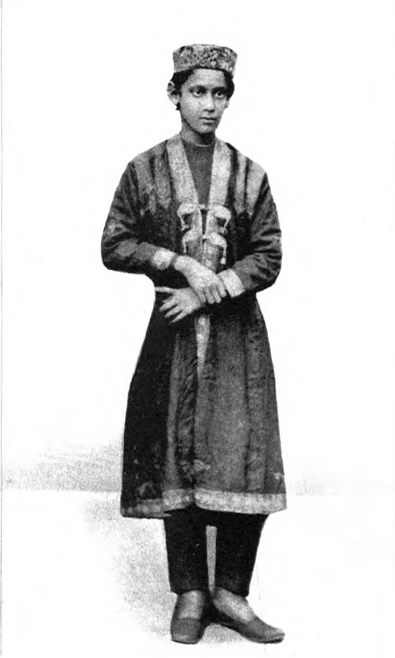 Rabindranath Tagore1861–1941Poet, composer and painter; the words and the melodies of every song in Gitabitan are his. Nobel laureate in Literature, 1913.His first photograph, Calcutta · 1873 ? · 25 Portraits of Rabindranath Tagore (Visva-Bharati, Calcutta, 1951)
AI translations
Machine-generated — may miss poetic nuance. Human translations above are authoritative.
Languages
Premium languages
AI-generated
Generating translation…
Couldn't generate a translation right now. Try again.