যদি আসে তবে কেন যেতে চায়
Jodi ase tabe keno
Prem
যদি আসে তবে কেন যেতে চায়।

দেখা দিয়ে তবে কেন গো লুকায়॥

চেয়ে থাকে ফুল, হৃদয় আকুল–

বায়ু বলে এসে ‘ভেসে যাই’।

ধরে রাখো, ধরে রাখো–

   সুখপাখি ফাঁকি দিয়ে উড়ে যায়॥

পথিকের বেশে সুখনিশি এসে

বলে হেসে হেসে ‘মিশে যাই’।

জেগে থাকো, জেগে থাকো–

বরষের সাধ নিমেষে মিলায়॥
Transliteration
Jodi aase tabe keno jete chaay.
Dekha diye tabe keno go lukay.
Cheye thaake phul hriday aakul -
Baayu bole ese 'Bhese jaai'.
Dhore raakho dhore raakho -
Sukhpaakhi phnaaki diye ure jaay.
Pothiker beshe sukhonishi ese
Bale hese hese 'Mishe jaai'.
Jege thaako, sokhi, jege thaako -
Baroser saadh nimese milay.
My note
Personal notes aren't included in your plan.Become a member →
That needs a higher plan — upgrade for more monthly plays and exports, sing-along editions, and full scale, instrument, taal and tempo controls. Compare plans → Sign in with Patreon
On YouTube
- Parjaay
- Prem · 342(প্রেম)
- Upo-parjaay
- Prem-Boichitra(প্রেম্-বোইচিত্র)
- Raag
- Desh-Malhar(দেশ-মল্হার)
- Taal
- Ektaal(একতাল)
- Tradition
- Hindustani(হিন্দুস্তানি)
- Collection
- Raaja O Raani(রাজা ও রাণী)
- Swarabitan vol.
- 28(স্বরবিতান ২৮)
- Notation by
- Indira Debi Chowdhurani
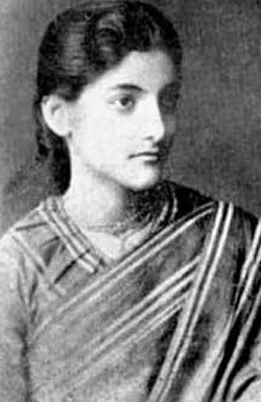 Indira Debi Chowdhurani1873–1960Rabindranath's niece — scholar, translator and musician, who set down a great many of his songs in notation.Photographer unknown, c. 1890 · Wikimedia Commons, public domain / Jyotirindranath Tagore
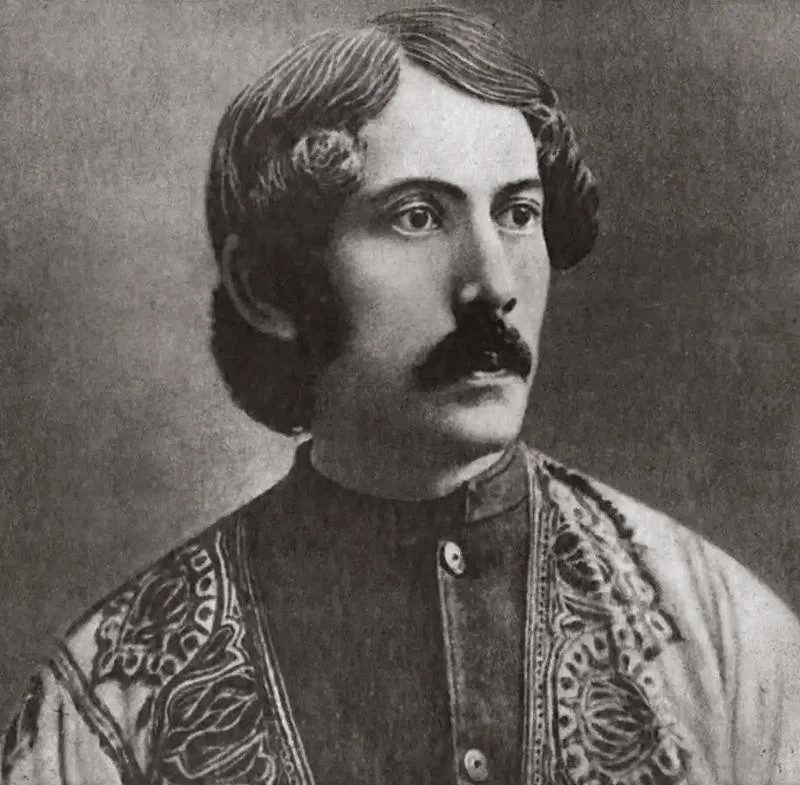 Jyotirindranath Tagore1849–1925Rabindranath's elder brother — playwright, composer and painter, a pioneer of written notation for Bengali song, and a formative presence in the young poet's life.Photographer unknown, before 1925 · Wikimedia Commons, public domain
 - Composition date
- 1889(১২৯৬)
AI translations
No translation yet — pick a language below to generate one with AI.
Languages
Premium languages
AI-generated
Generating translation…
Couldn't generate a translation right now. Try again.