তুমি এবার আমায় লহো হে নাথ
Tumi ebar amay laho
Puja
তুমি   এবার আমায় লহো হে নাথ, লহো।

              এবার তুমি ফিরো না হে–

                  হৃদয় কেড়ে নিয়ে রহো॥

          যে দিন গেছে তোমা বিনা   তারে আর ফিরে চাহি না,

                  যাক সে ধুলাতে।

     এখন   তোমার আলোয় জীবন মেলে যেন জাগি অহরহ॥

          কী আবেশে কিসের কথায়   ফিরেছি হে যথায় তথায়

                  পথে প্রান্তরে,

     এবার   বুকের কাছে ও মুখ রেখে   তোমার  আপন বাণী কহো॥

          কত কলুষ কত ফাঁকি   এখনো যে আছে বাকি

                  মনের গোপনে,

          আমায়  তার লাগি আর ফিরায়ো না–

              তারে   আগুন দিয়ে দহো॥
Transliteration
Tumi  ebaar aamay laho hey naath, laho.
Ebaar tumi phiro na hey -
Hriday kere niye raho.
Je din gechhe toma bina    taare aar phire chaahi na,
Jaak se dhulate.
Ekhon tomar aaloy jiban mele   jeno  jaagi ahoraho.
Ki aabeshe kiser kathay   phirechhi hey jathay tathay
Pathe praantare,
Ebaar  buker kaachhe o mukh rekhe   tomar  aapon baani kaho.
Kato kolush kato phnaaki  ekhono je aachhe baaki
Moner gopane,
Aamay taar laagi aar phirayo na,
Taare aagun diye daho.
My note
Personal notes aren't included in your plan.Become a member →
That needs a higher plan — upgrade for more monthly plays and exports, sing-along editions, and full scale, instrument, taal and tempo controls. Compare plans → Sign in with Patreon
On YouTube
- Parjaay
- Puja · 120(পূজা)
- Upo-parjaay
- Prarthana(প্রর্থন)
- Raag
- Baul-Sur(বাউল-সুর)
- Taal
- Dadra(দাদরা)
- Tradition
- Light classical & Regional Forms(শাস্ত্রীয় ও আঞ্চলিক রূপ)
- Collection
- Geetanjali(গীতাঞ্জলি)
- Swarabitan vol.
- 38(স্বরবিতান ৩৮)
- Notation by
- Surendranath Bandopadhyay
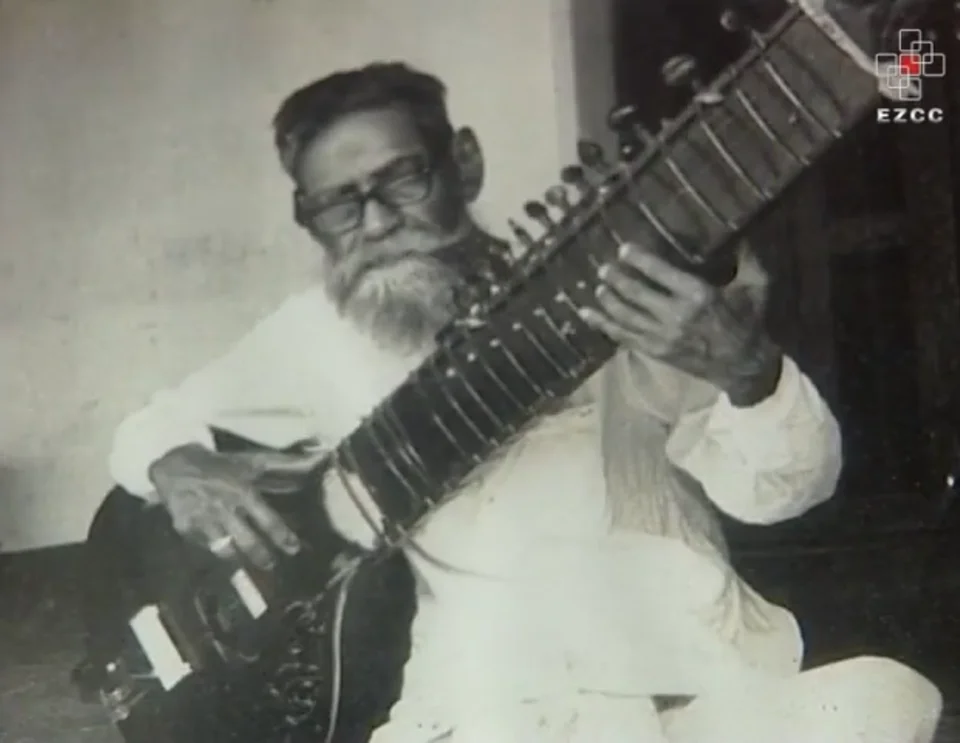 Surendranath Bandopadhyay1886–1972Musician of the Vishnupur gharana, known as Sangitratnakar, and a notator of Rabindrasangeet.Eastern Zonal Cultural Centre, from the documentary “The Vishnupur Gharana” · Wikimedia Commons, CC BY 3.0 / Bhimrao Shastri
 - Composition date
- 11 April 1910(২৮ চৈত্র ১৩১৬)
English
Accept me, my lord, accept me for this while.
Let those orphaned days that passed without thee be forgotten.
Only spread this little moment wide across thy lap, holding it under thy light.
I have wandered in pursuit of voices that drew me yet led me nowhere.
Now let me sit in peace and listen to thy words in the soul of my silence.
Do not turn away thy face from my heart's dark secrets, but burn them till they are alight with thy fire.
Translated by Rabindranath Tagore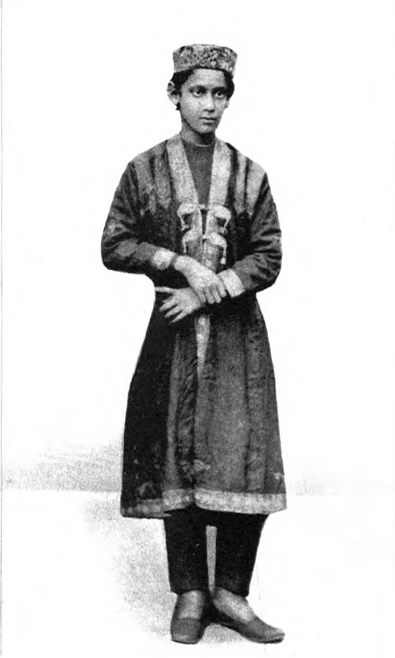 Rabindranath Tagore1861–1941Poet, composer and painter; the words and the melodies of every song in Gitabitan are his. Nobel laureate in Literature, 1913.His first photograph, Calcutta · 1873 ? · 25 Portraits of Rabindranath Tagore (Visva-Bharati, Calcutta, 1951)
AI translations
Machine-generated — may miss poetic nuance. Human translations above are authoritative.
Languages
Premium languages
AI-generated
Generating translation…
Couldn't generate a translation right now. Try again.